By Rachel K. · Updated 2026-07-06 · 11 min read
✓ Pros
Comprehensive single resource covering all major homesteading skills
Step-by-step plans for structures like chicken coops and raised beds
Includes food preservation and water collection — not just gardening
Good starting point for beginners who need structure
✗ Cons
Generic plans do not account for regional climate and soil differences
Overwhelming scope for beginners — no clear implementation sequence
Limited troubleshooting guidance for common problems like pests or disease
Minimal coverage of urban or small-property adaptations
Resource mentioned in this article
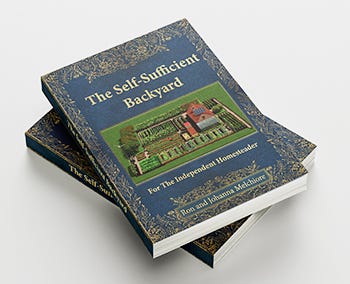
The Self Sufficient Backyard
Comprehensive plans for gardening, animal care, food preservation, and water systems — see current details and pricing to determine if it fits your property.
Learn more about The Self Sufficient Backyard →
Frequently Asked Questions
Is The Self Sufficient Backyard book worth the money for complete beginners?
For absolute beginners who have never gardened or kept animals, it provides a solid foundation in one package. The value depends on whether you actually implement the plans rather than just reading them. Most users who follow a phased approach find it worth the cost, especially since it replaces buying 4-5 separate books on individual topics. However, it is not a substitute for local knowledge — you still need to research your specific climate and soil conditions separately.
How do I start a self sufficient backyard on a small suburban lot?
Focus on intensive gardening techniques like square foot gardening, vertical trellises, and container beds. Skip animals initially unless you have space for quail (which need much less room than chickens). Use the book's composting and water catchment sections but scale down the infrastructure — two 4x8 raised beds and two 50-gallon rain barrels are realistic starting points for a quarter-acre lot. Prioritize high-yield vegetables like tomatoes, pole beans, and zucchini.
What is included in The Self Sufficient Backyard PDF download?
The digital version includes the full book content with printable plans for raised beds, chicken coops, rabbit hutches, compost bins, rain catchment systems, and root cellars. It also contains planting calendars, crop rotation charts, food preservation guides (canning, drying, fermenting), and basic construction diagrams. The PDF format allows you to zoom in on plan details and print individual pages for workshop use, which many users find more practical than the physical book.
Can I achieve full food self-sufficiency using only this guide?
Full food self-sufficiency typically requires 1-2 acres per person, mastery of multiple preservation methods, and years of practice. This guide covers the basics of all necessary systems, but you will eventually need additional resources for advanced topics like soil microbiology, animal health diagnostics, and large-scale food storage. Most experienced homesteaders use this as a starting point and supplement with specialized books and hands-on workshops over several seasons.
How long does it take to build everything in The Self Sufficient Backyard?
Building all the systems described in the book — gardens, animal housing, water infrastructure, food preservation setup, and renewable energy — takes most people 2-3 years working part-time on weekends. Trying to complete everything in one season leads to burnout and unfinished projects. Focus on completing one system per season: garden and water in year one, chickens and basic preservation in year two, energy systems and advanced preservation in year three.
Does The Self Sufficient Backyard cover climate-specific adaptations?
No, the plans are written for a generalized temperate climate with moderate rainfall and four distinct seasons. Users in arid, tropical, or extreme cold regions need to make significant modifications to planting calendars, water systems, and animal housing designs. The book does include general principles of adaptation (like using shade cloth in heat or cold frames in winter), but you will need local extension office or regional gardening group data for precise adjustments.
Where to buy The Self Sufficient Backyard for the best price?
The guide is available through multiple online retailers. Prices vary based on format (physical book vs. PDF download) and current promotions. Many users prefer purchasing directly through the publisher's website to ensure they receive the latest version and any bonus materials like printable checklists. Compare prices across platforms, but be cautious of third-party sellers offering steep discounts — you want to ensure you get the complete, unaltered content with all plans included.
What are the biggest lessons in The Self Sufficient Backyard that experienced homesteaders still use?
Experienced homesteaders consistently reference three sections: the integrated system design (how water, soil, plants, and animals support each other), the root cellar construction plans, and the food preservation priority chart (showing which preservation methods give the best calorie-to-labor ratio). Even seasoned users find value in the book's systematic approach to planning — especially the way it maps seasonal tasks across the year to prevent bottlenecks during harvest time.
## Synthesis and Recommendation The Self Sufficient Backyard is a powerful resource, but it is not a magic wand. Success depends entirely on implementation discipline, site-specific adaptation, and patient skill-building. If you are ready to move from reading to doing, the single most important step is to choose one project this week and finish it. Not 80%. Finished. A single working raised bed or a functioning rain barrel gives you momentum that no amount of planning can replace. For most readers, the best path forward is this: buy the guide as your core reference, pair it with local climate data, and commit to a 90-day first phase focused on water and soil. The rest will follow naturally.