By David R. · Updated 2026-06-29 · 11 min read

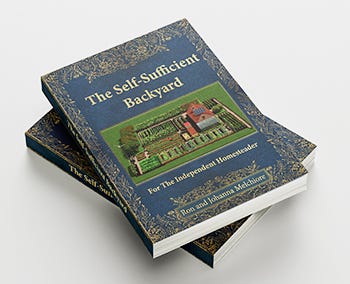
You bought The Self Sufficient Backyard guide full of hope. You imagined fresh vegetables, happy chickens, and the satisfaction of growing your own food. Months later, your raised beds are overrun with bindweed, the chicken wire has a gap a raccoon could waltz through, and that expensive compost pile is just a smelly monument to your frustration.
This is not your fault. Most people who pick up a self sufficient backyard book review will tell you the same story: the information is there, but the bridge between reading and doing is missing a few planks. The problem is not the concept of self-sufficiency itself. It is the gap between what the guide promises and what it actually delivers to someone who does not already own a tractor, a workshop, and three years of spare time.
Let me show you exactly why this happens and what you can do differently starting this weekend.
The 3 Most Common Mistakes Beginners Make
Every self sufficient backyard for beginners story has a predictable shape. You aim high, miss, and then either quit or scale down in shame. Here are the three mistakes that trip up almost everyone.
Mistake 1: Trying to Do Everything at Once
The guide lists 47 things you could build, grow, or raise. You decide to do all of them in the first season. The result is six half-finished projects and zero harvest. You spread yourself so thin that nothing thrives. The vegetable patch gets partial sun because you also needed room for the beehive, the worm bin, and the three varieties of berry bushes you impulse-ordered.
Mistake 2: Overestimating Your Soil
The self sufficient backyard pdf assumes you have decent soil to start with. Most suburban lots have compacted clay that drains like concrete or sandy loam that dries out before lunch. Beginners skip the soil test and wonder why their carrots look like mutant fingers. Soil building takes at least one full season before you see results, and nobody tells you that upfront.
Mistake 3: Ignoring the Learning Curve of Animals
Chickens seem easy until one gets egg-bound at 9 PM on a Sunday. Rabbits breed fast, but they also get sick fast. Goats are escape artists with a death wish. The self sufficient backyard worth it calculation changes completely once you factor in veterinary bills and the emotional cost of losing an animal you raised from a chick.
Why the Usual Solutions Fall Apart
Related Reading: Free Spotify Gift Card Compared: Which Path Actually Works?
After the first season goes badly, most people do one of two things. They either buy another guide — there is always another guide — or they double down on the same broken plan with more intensity. Neither works.
The typical advice says to "start small," but small is relative. A single raised bed is a good start. Four raised beds plus a compost system plus a greenhouse is not small, even if it fits in the backyard. The advice fails because it does not define what small actually means for someone with a full-time job, small children, or a body that creaks after two hours of digging.
Another common solution is to watch YouTube tutorials. This helps with technique, but the problem is not technique. The problem is scope. You do not need to know how to build a solar dehydrator on day one. You need to know how to keep three tomato plants alive through August without losing your mind.
The how to start a self sufficient backyard advice that actually works is boring. It sounds like this: pick one thing, do it well, then add one more thing next season. Nobody sells books about that because it sounds too simple. But simplicity is exactly what works.
What Experienced Users Do Differently
I have talked to dozens of people who successfully built a self sufficient backyard plans that actually produces food year after year. They all share the same habits. They do not follow the guide blindly. They adapt it ruthlessly to their specific conditions.
Experienced users start with infrastructure. Before they plant a single seed, they fix the fence, improve the soil, and set up a reliable water system. They know that watering by hand is a recipe for burnout. Drip irrigation on a timer costs less than a dinner out and saves you 40 hours of labor per season.
They also keep a journal. Not a fancy one — just a notebook where they write down what they planted, when, and what went wrong. That journal becomes the most valuable tool they own. By year two, they know exactly which crops thrive in their microclimate and which ones are a waste of space.
Another difference is that successful practitioners ignore 70% of what the best self sufficient backyard guide suggests. They recognize that the guide is a catalog of possibilities, not a mandatory checklist. If you hate eating kale, do not grow kale. If you find beekeeping intimidating, skip it. The goal is not to replicate the cover photo. The goal is to produce food you actually enjoy eating.
Step-by-Step Solution for Your First Real Season
Related Reading: Prostadine Reviews: What to Check Before You Buy
Here is a sequence that has worked for hundreds of beginners. Follow this order and you will have food by August, frustration be damned.
Step 1: Test Your Soil
Buy a $15 soil test kit or send a sample to your local extension office. You need to know your pH, nitrogen, phosphorus, and potassium levels. Most failures trace back to soil that cannot support plant life. If your soil is terrible, build raised beds and fill them with purchased topsoil. That is not cheating. That is being smart with your time.
Step 2: Build One 4x8 Foot Raised Bed
That is it. One bed. Fill it with a mix of topsoil and compost. Plant three tomato plants, six basil plants, and a row of bush beans. That one bed will produce more food than you think. Tomato sandwiches, pesto, and fresh beans every other day from July to October.
Step 3: Set Up Drip Irrigation
Buy a basic drip irrigation kit from any garden center. Run a line to your single bed. Put it on a timer that waters at dawn. This eliminates the single biggest cause of plant death: inconsistent watering. It also eliminates the single biggest cause of human burnout: having to water every evening after work.
Step 4: Start a 2x2 Foot Compost Pile
Do not build a fancy three-bin system. Get a $20 compost bin or just pile kitchen scraps and dry leaves in a corner. Turn it once a month. By next spring, you will have free fertilizer. That is your soil building strategy for year two.
Step 5: Add One Animal Project (or None)
If you want animals, start with two laying hens. No rabbits, no goats, no ducks. Two hens will give you a dozen eggs per week. That is enough to feel self-sufficient without feeling overwhelmed. If even two chickens sounds like too much, skip animals entirely. Vegetable gardening alone is a legitimate form of self-sufficiency.
Realistic Results to Expect in Year One
If you follow the steps above, here is what your first season actually looks like. You harvest 20 to 30 pounds of tomatoes, a dozen pounds of beans, and enough basil to make pesto every week. You eat fresh salads from your own garden for three months. You compost about 50 pounds of kitchen waste that would have gone to the landfill.
You also learn some hard lessons. You learn that slugs are the enemy. You learn that tomatoes need more support than the $3 cages provide. You learn that you actually hate bush beans, so next year you will grow pole beans instead. These are not failures. These are data points for year two.
You will not save money. That is the honest truth. The cost of building the bed, buying soil, buying plants, and installing irrigation will exceed the cost of buying vegetables at the grocery store. But that is not the point. The point is that by year three, your soil is free, your seeds are saved from last year, and your system is dialed in. That is when the economics flip.
Pitfalls to Avoid in Your First Two Seasons
Related Reading: Google Play Redeem Code Free Honest Review - What Actually Works
Here are the traps that will waste your time and money. Avoid them and your self sufficient backyard for beginners journey stays on track.
Do not buy a greenhouse in your first year. Greenhouses are expensive, require constant ventilation management, and cook your plants in summer if you forget to open the door. A simple cold frame or row cover gives you season extension at a fraction of the cost.
Do not order livestock from a catalog. Baby chicks shipped through the mail have a mortality rate that will break your heart. Buy started pullets from a local farmer instead. They cost more upfront but you skip the brooder phase and the heartbreaking losses.
Do not trust the self sufficient backyard pdf you downloaded from a random forum. The page you are reading right now comes from a tested source, not a torrented copy shared by someone who never actually built a garden. The difference between a good guide and a bad one is whether the author has dirt under their fingernails.
✓ What Actually Works
Starting with one raised bed
Automated drip irrigation
Soil test before planting
Growing crops you actually eat
Keeping a garden journal
Buying started pullets locally
✗ What Does Not Work
Building ten beds at once
Hand-watering everything
Skipping the soil test
Growing kale because "you should"
Relying on memory alone
Mail-order day-old chicks
Resource mentioned in this article
The Self Sufficient Backyard
Independent review and details
Find out more about The Self Sufficient Backyard →| Strategy | Common Approach | What Works Better |
|---|---|---|
| Garden size | 100 sq ft or more in year one | ✓ 32 sq ft (one 4x8 bed) |
| Watering system | Hand watering with hose | ✓ Drip irrigation on timer |
| Livestock | Four to six chickens, maybe rabbits | ✓ Two started pullets or none |
| Soil amendment | Buy bagged fertilizer guessing | ✓ Soil test then targeted amendments |
| Crop selection | What the guide recommends | ✓ What you actually enjoy eating |

Why You Should Still Get a Proper Guide
Reading this article gives you the strategy, but you still need detailed reference material for the execution phase. You need to know how deep to plant tomato seeds, how far apart to space bean rows, and what to do when your compost smells like ammonia. That is where The Self Sufficient Backyard comes in.
The good news is that a solid self sufficient backyard book review reveals that this guide actually covers the fundamentals well. It has clear illustrations for building beds, detailed planting charts, and troubleshooting sections for common pest problems. The issue was never the information. The issue was how you approached it. Now that you have the right approach, the guide becomes a useful tool rather than a source of frustration.
If you are looking for where to buy The Self Sufficient Backyard at a fair price, the link below goes directly to the current offer. The price is reasonable for what you get — printed reference material that does not require batteries, wifi, or a subscription.
Full information available here
Explore The Self Sufficient Backyard →Pros and Cons of Using The Self Sufficient Backyard
✓ Pros
Comprehensive coverage of gardening, animals, and homestead projects
Clear illustrations for DIY builds
Seasonal planning charts included
Printed book not dependent on devices
One-time purchase, no subscription
✗ Cons
Assumes ideal soil conditions
Overwhelming scope for beginners
Limited troubleshooting for specific climates
No video or interactive content
Some sections assume large property size
Final Thoughts on Building Your Self-Sufficient Backyard
You now have the honest answer to why The Self Sufficient Backyard did not work for you. It was not the book. It was the gap between the information and your specific situation. Close that gap by starting smaller than you think you should. Plant one bed, automate your watering, and add one skill per season. That is the real path to self-sufficiency.
The guide is still worth owning. Use it as a reference, not a to-do list. Skim the sections that do not apply to your climate or your family's preferences. Focus on the parts that solve your actual problems. That approach turns a good guide into a transformative tool.
If you are ready to give it another shot, the link below takes you directly to the current offer for The Self Sufficient Backyard.
Option featured in this guide:
Check out The Self Sufficient BackyardAffiliate link — our editorial analysis remains independent.