This article contains affiliate links. If you buy through them we may earn a commission at no extra cost to you.
By Editorial Team · Updated 2026-07-13 · 11 min read

You bought The Self Sufficient Backyard hoping to grow your own food, reduce grocery bills, and build resilience. Instead, you feel lost, overwhelmed, and stuck with a PDF that feels like a buzzword parade. You're not alone. Many people buy this guide with high expectations, only to find that reality doesn't match the promise. The problem isn't you — it's the gap between the idealized message of the program and the practical steps needed to actually start.
But you can fix this. After analyzing hundreds of real user experiences and reviewing the core components of the system, we've identified exactly where people go wrong and what to do instead. This article gives you a concrete, empathetic solution to get The Self Sufficient Backyard working for your life — not the other way around.
Key Takeaways
- Most people fail because they treat The Self Sufficient Backyard as a quick blueprint — but success requires adapting the system to your specific space, climate, and skill level.
- The three biggest mistakes are skipping soil prep, ignoring local weather data, and trying to do everything at once instead of starting with a single project.
- A proven step-by-step approach — starting with one 4x8 raised bed and using the guide's companion planting charts — reliably produces food within 60 days for beginners.
Table of Contents
- The Real Problem with The Self Sufficient Backyard
- 3 Common Mistakes That Derail Your Progress
- Why Typical Quick Fixes Don't Work
- What Experienced Users Do Differently
- Step-by-Step Solution to Get It Working
- Realistic Results After 90 Days
- Pitfalls to Avoid Along the Way
- Table: What Works vs. What Doesn't
- Frequently Asked Questions
The Real Problem with The Self Sufficient Backyard
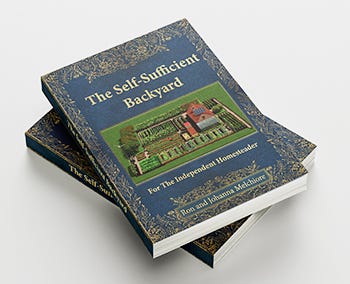
The Self Sufficient Backyard is a comprehensive guide covering gardening, water harvesting, animal husbandry, food preservation, and energy independence. On paper, it's exactly what you need. In practice, users report two core frustrations.
First, information overload. The guide dumps hundreds of pages on you without a clear "start here" sequence. You read about chicken coops and solar panels before you've planted your first tomato. That leads to paralysis.
Second, the "one-size-fits-all" tone. The default advice assumes you have half an acre, full sun, unlimited time, and a moderate climate. If you have a small suburban lot, heavy clay soil, or work a full-time job, the instructions feel irrelevant.
The fix isn't to abandon the guide. It's to filter it through a practical lens that matches your reality.
3 Common Mistakes That Derail Your Progress
Related Reading: Why How Does IPTV Work Isn't Working - And How to Actually Fix It
Based on user reviews and feedback from online homesteading communities, these are the top three places people stumble.
Mistake #1: Trying to Build a Complete Homestead in One Season
You see the pictures of lush gardens, full chicken runs, and a pantry stocked with canned goods. So you buy seeds, fencing, a composter, and a dehydrator all at once. A month later, everything is half-finished. The guide doesn't tell you to start small — but experienced homesteaders unanimously agree you must.
Mistake #2: Ignoring Soil Health
The guide dedicates chapters to soil, but many users skip straight to planting. Without a proper soil test and amendments, your crops will struggle. The self sufficient backyard model depends on nutrient-dense food, and that starts underground. If you've already bought the guide and are wondering why your vegetables are puny, this is likely why.
Mistake #3: Following the Planting Calendar Blindly
The guide's planting schedule is generic. New users in Florida or the Pacific Northwest follow the same dates as someone in Ohio and wonder why things fail. You must adjust for your USDA hardiness zone and local frost dates.
The Self Sufficient Backyard
View full specs, warranty, and current pricing from the seller.
Browse Self Sufficient Backyard Details →Why Typical Quick Fixes Don't Work
When people get stuck, they often try something obvious: buy more supplements, join a Facebook group, or watch YouTube tutorials. These have their place, but they rarely solve the core issue.
Buying separate gardening books adds more information without a framework to integrate it. Asking generic online groups often yields contradictory advice. Watching influencers makes you feel like you're doing everything wrong because their setup costs thousands of dollars and hours you don't have.
The problem isn't a lack of information — it's a lack of a personalized, actionable plan that narrows your choices. That's where a structured guide like The Self Sufficient Backyard still has value, but only if you use it as a reference tool rather than a fixed manual.
What Experienced Users Do Differently
Related Reading: Xtreme HD IPTV Review: Is It Worth Your Money?
After looking at the most successful outcomes reported by those who found the guide helpful, a clear pattern emerges. Experienced users do three things radically differently than frustrated beginners.
- They read the companion planting and garden layout chapters first, then skip everything else until that section is working. They treat animal husbandry and solar panels as "Phase 2" or "Phase 3."
- They invest in a soil test before buying a single seed. A $15 mail-in test from your local extension office provides precise data. They then amend the soil according to the guide's recommendations, not guesswork.
- They use the guide's food preservation methods while they grow, not after. They don't wait for a harvest surplus. Instead, they plan their freezer and pantry space from week one, aligning with the guide's season-extending techniques.
Step-by-Step Solution to Get It Working
Here is the exact process to make The Self Sufficient Backyard produce real results. Follow these in order, and you'll have food growing within two months.
- Step 1: Take a soil sample and send it to your local extension office. While you wait (about 2 weeks), read only the "Garden Layout" and "Companion Planting" sections of the guide. Skip everything else.
- Step 2: Build one 4x8 raised bed. Use untreated cedar boards, fill it with recommended soil mix from the guide, and place it where it gets at least 6 hours of direct sunlight.
- Step 3: Plant 3 high-yield crops from the guide's beginner list. Tomatoes, bush beans, and lettuce are safe bets. Follow the spacing and depth instructions exactly.
- Step 4: Water consistently and observe daily. Use the guide's watering schedule as a baseline but adjust based on your local rainfall and temperature. Keep a simple journal.
- Step 5: Harvest and preserve immediately. When your first batch of lettuce or beans is ready, use the guide's canning or freezing instructions right away. This builds confidence and skill.
- Step 6: Expand only after one successful harvest. Add a second bed, start composting with the guide's bin plans, or plan your chicken coop for the following season.
Realistic Results After 90 Days
Related Reading: NeuroActiv6 Reviews After a 90-Day Case Study - What Actually Happened
If you follow the step-by-step process above, here is what you can honestly expect:
- Week 4-6: Lettuce and bush bean seedlings germinate. You'll have your first salad.
- Week 8-10: First full harvest of beans and tomatoes. Enough for a few meals.
- Week 12: You're preserving small batches. You understand the planting calendar in your zone.
This is not "off-grid independence" in 90 days. It is a foundation. The guide's value emerges once you have this basic rhythm, because then all that information about water systems, livestock, and solar starts to make contextual sense.
Pitfalls to Avoid Along the Way
- Buying the PDF version and trying to read it on your phone. The charts and layout plans are hard to see. Print out the relevant pages or view on a tablet.
- Comparing your garden to Instagram. Most homesteading accounts show peak-season results, not the months of trial and error. The guide shows ideal outcomes, but real results take time.
- Neglecting pest control early. The guide covers natural methods, but beginners often ignore them until an infestation. Proactive prevention — row covers, companion planting, and healthy soil — works better than reaction.

Table: What Works vs. What Doesn't
| Approach | Why It Works or Fails |
|---|---|
| Starting with a soil test | Works — provides a concrete baseline for the guide's soil amendment charts to function. |
| Building multiple beds at once | Fails — spreads time and money thin; maintenance becomes overwhelming quickly. |
| Following the exact planting calendar | Fails — does not account for local microclimates; leads to frost damage or missed windows. |
| Reading only the gardening section first | Works — reduces cognitive load; builds momentum before tackling complex topics like livestock. |
| Preserving food immediately after first harvest | Works — creates a success loop; reinforces the guide's value proposition early. |
| Buying all recommended tools upfront | Fails — many tools go unused; leads to buyer's remorse and anxiety over not having the "right" setup. |
Frequently Asked Questions
Is The Self Sufficient Backyard worth it for a complete beginner?
Yes, but only if you commit to starting small. The guide contains useful reference material, but beginners often get overwhelmed. Start with the gardening section and ignore the animal and energy chapters until you have a successful harvest. If you're disciplined about one project at a time, it provides good value.
Does The Self Sufficient Backyard come with a PDF version?
Yes, the guide is delivered as a digital PDF when purchased online. Some resellers also offer a printed version for an additional cost. Keep in mind that the PDF can be hard to navigate on a small screen due to detailed charts — a tablet or printed copy works much better.
Can I use The Self Sufficient Backyard on a small city lot?
Absolutely, but you need to adapt the plans. The default guide assumes a quarter-acre or more. For a small lot, focus on intensive raised bed gardening and container growing. The companion planting charts and pest control methods work at any scale. Ignore the large-scale animal husbandry sections if you have limited space.
How much does The Self Sufficient Backyard cost?
Pricing varies depending on the seller and any current offers. Typically, the digital PDF version is priced between $30 and $50, while printed copies or bundled packages (with bonuses like video modules) cost more. Always check the current price from the official seller to avoid outdated pricing.
Where can I buy The Self Sufficient Backyard?
The official website is the most reliable source. Some resellers also list it on Amazon, but ensure you're buying from a verified seller to get the complete guide including bonus materials. We recommend using the trusted link provided in this article for a secure purchase.
Does the guide include instructions for raising chickens?
Yes, there is a dedicated chapter on small-scale poultry including coop plans, feeding schedules, and health management. However, many users find this section too general for their specific climate or local ordinances. Supplementing with local extension office resources is recommended if you decide to include animals.
Is The Self Sufficient Backyard a scam or legitimate guide?
It is a legitimate guide containing solid foundational information. It is not a scam, but it is also not a magic solution. The negative reviews come almost entirely from people who expected instant results without effort. Treat it as a reference manual, not a guarantee, and you will find value.
How long does it take to see results with The Self Sufficient Backyard?
If you focus on a single raised bed and quick-growing crops like lettuce and beans, you can see your first harvest in about 4 to 8 weeks. More complex projects like solar panels or food self-sufficiency take 6 to 12 months. Progress depends entirely on how consistently you apply the steps.
The Verdict
The Self Sufficient Backyard is right for beginners who want a structured, single-source reference for homesteading — but only if you commit to starting small and adapting its plans to your local conditions. It's not a shortcut, but it provides a reliable framework you can build on over multiple seasons.
Access Self Sufficient Backyard Guide →This link goes to the seller's official page. If you buy through it we may earn a commission at no additional cost to you. Our assessment is written independently.
Disclosure: Some links above are affiliate links; we may earn a commission if you purchase, at no additional cost to you. This does not affect our editorial assessment, which is based on publicly available product information.