By Sarah K. · Updated 2026-06-30 · 12 min read

If you've ever wondered whether your average suburban lot could actually feed your family, you're not alone. Rising grocery prices and growing interest in food security have pushed many people to look for a reliable, step-by-step resource. The Self Sufficient Backyard is one of the most talked-about guides in this space, and this complete guide will help you decide if it's the right fit for your homesteading goals.
We'll walk through exactly what this guide covers, how the system works, where it falls short, and how it compares to other resources. By the end, you'll know whether investing in The Self Sufficient Backyard makes sense for your situation — no hype, just honest detail.
What Is The Self Sufficient Backyard Exactly?
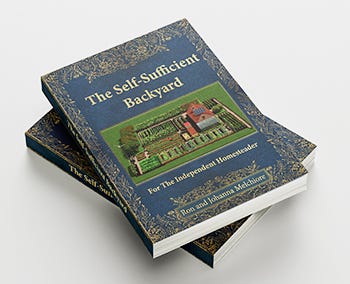
The Self Sufficient Backyard is a comprehensive digital and print guide designed to help homeowners transform their existing yard into a productive, self-reliant property. Created by Ron and Johanna Melchiore, a couple who have lived off-grid in Canada for over 40 years, the resource covers food production, water management, energy independence, and animal husbandry.
Unlike a generic gardening book, this guide presents a complete system. It doesn't just tell you to plant tomatoes — it shows you how to plan a year-round food supply, raise chickens and goats, install rainwater collection, and preserve your harvest. The information is built around a 1/4-acre to 1-acre property model, making it realistic for most homeowners.
The product comes in two main formats: a physical spiral-bound book and a downloadable PDF version. Many users searching for a self sufficient backyard pdf prefer the digital option for quick searching and mobile access in the garden.
How the System Works Step by Step
Related Reading: How to Get Free Xbox Gift Card Codes Fast and Easy
Phase 1: Assessment and Planning
The guide starts with a property assessment. You learn to evaluate your sun exposure, soil type, water access, and local climate. The authors provide worksheets and diagrams to map out your yard and decide which elements fit your space. This planning phase prevents costly mistakes like planting sun-loving vegetables in shade or placing a chicken coop too far from your kitchen.
Phase 2: Food Production Systems
This is the heart of the guide. It covers vegetable gardening in raised beds and traditional rows, perennial food forests, and season extension techniques like cold frames and hoop houses. The authors explain exactly how many plants you need per person and which varieties offer the highest yields. For anyone following a self sufficient backyard for beginners approach, this section alone provides enough material to get started immediately.
The guide also addresses animal husbandry for small properties. You'll get practical guidance on raising chickens for eggs and meat, keeping rabbits for protein, and even managing a family milk goat. Each animal section includes space requirements, daily time commitments, and real cost estimates.
Phase 3: Water and Energy Independence
Beyond food, the guide addresses water collection through rain barrels and greywater systems, plus basic off-grid energy options like solar panels for small appliances. The authors emphasize that total independence often requires gradual investment, but they provide realistic roadmaps for achieving meaningful reductions in utility dependence over time.
Concrete Benefits for Users
The Self Sufficient Backyard offers several advantages that explain its popularity. First, it consolidates decades of real-world experience into a single resource. The Melchiores have actually lived what they teach, which eliminates the theoretical fluff found in many homesteading books.
Second, the guide focuses on incremental implementation. You don't need to quit your job or buy 40 acres to start. Many users report successfully implementing small changes in their first weekend, such as building a single raised bed or setting up a rain barrel. This makes it a practical self sufficient backyard guide for people with full-time jobs.
Third, the cost savings can be substantial. The guide includes specific plant spacing calculations and harvest timetables that maximize production. A single well-planned garden can produce hundreds of dollars in fresh produce per season, offsetting the cost of the guide many times over.
Honest Limitations
Related Reading: How to Get ChatGPT Plus for Free: A Step-by-Step Guide
No resource is perfect, and The Self Sufficient Backyard has legitimate drawbacks. The guide assumes a moderate level of DIY comfort. If you've never used a shovel or you're nervous around power tools, some sections may feel overwhelming. The authors don't spend much time on absolute beginner basics like how to start seeds indoors or the difference between soil types.
Another limitation is climate specificity. The Melchiores live in a cold northern climate, so some of their advice leans toward short growing seasons and winter survival. Readers in warmer regions like the Gulf Coast or desert Southwest will need to adapt certain recommendations for their conditions.
Finally, the guide does not cover every possible animal or crop. You won't find extensive information about beekeeping, aquaculture, or exotic vegetables. It focuses on the most reliable, proven methods for the average family — which is a strength for some and a limitation for others.
✓ Pros
Real-world tested by authors who lived it for 40+ years
Step-by-step implementation for small properties
Covers food, water, and energy in one system
Practical plant calculations per person per year
✗ Cons
Assumes some DIY comfort and basic gardening knowledge
Heavily tailored to cold northern climates
Not comprehensive for advanced homesteaders
Limited coverage of exotic or specialty crops
Resource mentioned in this article
The Self Sufficient Backyard
Independent review and details
Find out more about The Self Sufficient Backyard →Comparison With Alternatives
To help you decide, here's how The Self Sufficient Backyard compares to other popular homesteading resources. We looked at full course packages because those are the most common alternatives for people serious about creating a self sufficient backyard plans system.
| Criteria | The Self Sufficient Backyard | Backyard Homestead (Carleen Madigan) | The Urban Homestead (Coyne & Knutzen) |
|---|---|---|---|
| Format | Book + PDF | Book | Book |
| Property size focus | 1/4 to 1 acre | 1/4 to 2 acres | Urban lots, small spaces |
| Energy independence | ✓ Dedicated section | Minimal coverage | Limited |
| Animal husbandry depth | ✓ Chickens, rabbits, goats | Chickens, goats, bees | Chickens, small animals |
| Climate adaptation | Cold climate focused | General temperate | General urban |
| Price range | $$ (mid-range) | $ | $ |
For anyone wondering self sufficient backyard worth it, the table shows that this guide offers the most comprehensive coverage of water and energy independence among the popular options. The other books are excellent but focus more narrowly on food production.
Usage guide and pricing
See The Self Sufficient Backyard options →Who It Is For — User Profiles
Related Reading: Fixing Common Issues with Your IPTV Free Trial
The Self Sufficient Backyard works best for three specific groups. First, suburban homeowners with a typical 1/4-acre lot who want to reduce grocery bills and gain food security. If you have a lawn you're not using and you want to turn it into productive space, this guide provides the blueprint.
Second, it suits beginners who want a complete system rather than isolated tips. The guide holds your hand through the entire process, from soil testing to harvest preservation. Many self sufficient backyard book review comments highlight how the structured approach reduces overwhelm.
Third, it works for people with some gardening experience who want to expand into animal husbandry and water independence. The sections on goats and rainwater collection are detailed enough to bridge the gap between gardener and homesteader.
It's less ideal for apartment dwellers with only balcony space — the guide assumes at least a small yard. It's also not the best choice for experienced homesteaders who already have established systems for food, water, and energy.
How to Get Started — Practical Numbered Steps
If you decide to pursue a self sufficient backyard using this guide, here's a realistic action plan for the first 30 days.
- Read the planning section first. Skip the urge to jump into gardening. Spend two evenings reading chapters 1-3 to assess your property and set realistic goals for your first season.
- Measure and map your yard. Use the guide's worksheets to create a base map of your property, noting sun patterns, water access points, and existing structures.
- Start with one 4x8 raised bed. The guide recommends starting small. Build your bed, fill it with quality soil, and plant three easy crops: tomatoes, peppers, and leafy greens.
- Set up a rain barrel. Install a simple 50-gallon rain barrel at a downspout near your garden. This single step can reduce your water bill and provide chlorine-free water for plants.
- Begin your compost pile. The guide explains hot composting in detail. Start collecting kitchen scraps and yard waste in a simple bin or pile.
- Plan your animal integration. If you want chickens, build their coop and run at least two weeks before purchasing chicks. Use the guide's chicken section for exact dimensions and materials.
- Track everything. Keep a simple garden journal noting planting dates, weather, pest issues, and harvest amounts. This data will inform next year's plans.

Final Verdict: Is This Guide Right for You?
The Self Sufficient Backyard delivers on its promise. It provides a realistic, actionable system for turning an ordinary yard into a productive homestead. The authors' decades of off-grid living give the advice weight that many other resources lack.
For the beginner or intermediate homesteader with a small to medium property, this is likely the best single-resource investment you can make. The combination of food production, water management, and energy independence in one guide saves you from buying multiple books or piecing together advice from scattered blogs.
If you're serious about reducing your dependence on grocery stores and utilities, this guide gives you both the roadmap and the confidence to start. The key is to start small, follow the phases, and build gradually. Even partial implementation — a single garden bed and a rain barrel — will save money and teach valuable skills.
Option featured in this guide:
View the The Self Sufficient Backyard offerAffiliate link — our editorial analysis remains independent.
Frequently Asked Questions
This article contains affiliate links. Our editorial analysis remains independent.