By Mark T. · Updated 2026-06-30 · 12 min read

If you have ever searched for "how to make my backyard self sufficient" or wondered whether a single suburban plot can really produce food, water, and energy, you are not alone. The idea of stepping away from grocery store dependency and utility bills draws thousands of people every month. Yet the sheer amount of conflicting advice online—compost ratios, solar panel angles, chicken coop blueprints—can paralyze even motivated beginners.
This guide examines The Self Sufficient Backyard program, a structured resource designed to help homeowners transition toward greater independence. We will break down exactly what the program contains, how it works step by step, who benefits most, and whether it lives up to its promises. By the end, you will know whether this guide fits your situation and, if so, how to get started without wasting time or money.
What Is The Self Sufficient Backyard Exactly?
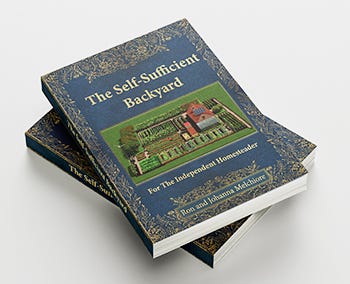
The Self Sufficient Backyard is a digital guide and instructional system created by authors with hands-on homesteading experience. It combines detailed blueprints, planting calendars, energy calculations, and water management plans into one comprehensive package. Unlike a single gardening book that covers only soil health, this resource tackles the full spectrum of backyard independence: food production, water harvesting, renewable energy, animal husbandry, and food preservation.
The program is delivered primarily as a downloadable PDF and video series, making it accessible on any device. It includes printable checklists and step-by-step diagrams that walk you from bare soil to a functioning mini-farm. The authors emphasize that you do not need acreage—most plans work on standard suburban lots of a quarter-acre or less.
This self sufficient backyard book review will note that the program is not a vague philosophy; it is a tactical manual. Each chapter ends with a checklist of tasks, with estimated time commitments and materials lists. The tone is practical rather than preachy, which distinguishes it from many lifestyle-focused homesteading resources.
How the Self Sufficient Backyard Program Works Step by Step
Related Reading: Best IPTV Subscription Compared: Which Service Actually Delivers?
The system is organized into four sequential phases. Each phase builds on the previous one, so you are not overwhelmed trying to do everything at once.
Phase 1: Site Assessment and Planning
Before digging a single hole, you evaluate your property. The guide provides a printable worksheet for mapping sunlight patterns, soil type, drainage areas, and existing structures. You also calculate your household's current food and water consumption. This baseline data ensures your backyard plans match real needs, not arbitrary goals. The phase takes 2-4 hours over a weekend.
Phase 2: Core Infrastructure (Water and Soil)
Water is the non-negotiable foundation. The program details four rainwater catchment systems ranging from a simple 55-gallon barrel setup to roof-integrated cisterns. Soil-building instructions cover sheet mulching, compost bin construction, and no-till bed preparation. The authors include diagrams showing correct gutter diverter placement and first-flush diverters to keep debris out of your water supply.
Phase 3: Food Production and Animal Systems
This phase covers vegetable garden layout (including companion planting combinations), perennial food forest design, and small livestock integration. The guide explains how to rotate chicken tractors across garden beds for natural pest control and fertilization. There are also plans for rabbit hutches and quail coops for people with restrictive zoning. Each animal section includes feed conversion ratios and slaughter timelines for those interested in meat production.
Phase 4: Energy, Preservation, and Year-Round Operations
The final phase addresses solar power sizing (calculating watt-hours for your actual appliances), food preservation methods (canning, dehydrating, fermenting, root cellaring), and season extension using cold frames and low tunnels. There is also a section on bartering and community networks for items you cannot produce yourself. This roundtable approach prevents the "I grew 50 pounds of tomatoes and they all rotted" problem.
Concrete Benefits of Using This Guide
The primary advantage of The Self Sufficient Backyard is its structured nature. Instead of following random YouTube channels that contradict each other, you get a coherent system where each component supports the others. The chicken manure fertilizes the garden beds; the garden beds feed the family; the rainwater irrigates everything.
A second benefit is the cost breakdowns. The authors provide realistic budgets for each phase, including which items you can scavenge or build from pallets versus which require professional components. This prevents the common mistake of overspending on aesthetics before covering essentials.
Third, the program includes zoning and HOA navigation tips. Many suburban homesteaders give up because they believe regulations block all progress. The guide explains how to work within typical restrictions—using container gardens on patios, choosing quiet quail instead of noisy roosters, and installing invisible rainwater systems.
Readers who complete the full program report 30-60% reductions in grocery bills within the first growing season, according to testimonials collected on the official site. While your mileage will vary based on climate and starting budget, the systematic approach makes measurable progress almost inevitable.
Honest Limitations You Should Consider
Related Reading: Free Best Buy Gift Card Balance Compared: Which Route Actually Works?
✓ Pros
Comprehensive step-by-step system (water, food, energy, animals)
Works on standard suburban lots, not just rural acreage
Printable checklists and diagrams reduce guesswork
Budget estimates for each phase help with financial planning
One-time purchase, no monthly subscription fees
✗ Cons
Digital-only delivery; no physical book option
Some plans assume basic DIY skills (using a drill, saw, level)
No personalized support or one-on-one consultations
Upfront cost around $30-50, though typically with a money-back guarantee
Heavy emphasis on temperate climates; arid or tropical adaptations require extra research
The most significant limitation is that this is a general system, not a custom design for your specific property. If you have unusual topography, extreme climate conditions, or physical limitations that prevent digging and building, you will need to adapt the plans yourself. Additionally, the animal husbandry sections assume you are willing to handle slaughter, which not every beginner is ready for emotionally. The authors acknowledge this but do not offer alternative protein strategies for those who want eggs-only or plant-based self-sufficiency.
Resource mentioned in this article
The Self Sufficient Backyard
Complete guide with plans, checklists, and video tutorials
See The Self Sufficient Backyard options →How It Compares to Other Self-Sufficiency Resources
Several alternatives exist, each with different strengths. The table below compares The Self Sufficient Backyard with two common alternatives: free YouTube playlists and traditional gardening reference books.
| Criteria | The Self Sufficient Backyard | Free YouTube Channels | Traditional Books (e.g., The Vegetable Gardener's Bible) |
|---|---|---|---|
| Cost | One-time ~$40 | ✓ Free | $15-30 per book |
| Scope | ✓ Water + food + energy + animals | Varies by channel; rarely covers everything | Typically focused on gardening only |
| Step-by-step structure | ✓ Phased with checklists | Scattered; must find and sequence yourself | Linear but no project checklists |
| Zoning/HOA guidance | ✓ Included | Rarely addressed | Not typically covered |
| Video tutorials | Included with purchase | ✓ Extensive | None |
| Consistency | ✓ Single coherent source | Often contradictory advice | Authoritative but limited scope |
For beginners who want a single reliable source rather than hunting across dozens of channels and books, The Self Sufficient Backyard offers clear advantages in scope and structure. However, if you already have strong gardening knowledge and just need supplemental tips, free content may suffice.
Up-to-date pricing and terms
View the The Self Sufficient Backyard offer →Who This Self Sufficient Backyard Guide Is For
Related Reading: neuroquiet reviews: 5 Myths Sabotaging Your Results
This program works best for three distinct user profiles:
The suburban first-timer. You have a typical quarter-acre lot, some basic tools, and a desire to reduce grocery bills. You are willing to invest a few weekends per phase but cannot quit your day job. The structured checklists prevent you from forgetting critical steps like soil testing before planting.
The prepper with a plan. You are building long-term resilience but need a realistic, non-alarmist system. The Self Sufficient Backyard's focus on incremental, low-cost improvements aligns with gradual preparedness rather than panic buying.
The empty nester or retiree. You have time and space but lack recent gardening experience. The guide's clear diagrams and video demonstrations reduce the learning curve. Many retirees find the animal husbandry sections particularly rewarding, as chickens and quail provide both eggs and a daily routine.
The program is less suitable for urban apartment dwellers with only a balcony, though some container garden advice exists. It also assumes you can perform basic construction tasks—if you cannot drive a screw or level a board, you will need a helper or additional tutorials.

How to Get Started: 6 Practical Steps
If you decide to proceed, follow this sequence to maximize your success and avoid common pitfalls.
Step 1: Assess your baseline. Spend one weekend walking your property every two hours from 8 AM to 6 PM. Mark where the sun falls and where shadows linger. Note any low spots where water pools after rain. Take soil samples from three different areas and send them to your county extension office—the $15 test tells you pH, nitrogen, and contaminant levels.
Step 2: Secure water first. Install at least two 55-gallon rain barrels under your downspouts before planting anything. Even if you plan to use municipal water during droughts, having stored rainwater gives you a buffer. The guide's diverter diagrams are straightforward; you need a hacksaw, a drill, and about two hours per barrel.
Step 3: Build soil in the off-season. If it is winter or early spring, lay down cardboard over your chosen garden area, wet it thoroughly, and cover with 6 inches of compost or aged manure. Let it sit for 6-8 weeks. This sheet-mulching method kills grass without chemicals and creates rich planting beds.
Step 4: Start small with vegetables. Plant only three or four crops your first season—tomatoes, beans, lettuce, and squash are forgiving for beginners. Resist the urge to fill every square foot. A 4x8 foot bed well-tended produces more food than a 10x20 bed choked with weeds.
Step 5: Add animals after you have a garden established. Do not buy chickens first. They require daily attention, and their manure needs to be composted before it can fertilize beds. Wait until your garden is producing before adding livestock. The guide recommends starting with 3-4 hens for a family of four.
Step 6: Track everything. Keep a simple notebook listing what you planted, when it germinated, how much you harvested, and what problems arose. This data becomes invaluable for next season's planning and for deciding whether to invest in solar panels or a larger water system.
Frequently Asked Questions
Frequently Asked Questions
Our Final Recommendation: Is It Right for You?
The Self Sufficient Backyard delivers exactly what it promises: a structured, phased guide to transforming a typical suburban plot into a productive system for food, water, and energy. It is not a magic shortcut—you still have to dig, build, plant, and maintain. But it removes the guesswork of deciding what to do first and how to connect each component into a functioning whole.
If you are someone who learns best from organized materials, wants to avoid buying equipment you do not need, and prefers a single reliable source over hunting for free fragments, this program is likely a good investment. The one-time cost is reasonable compared to the savings in wasted time and failed experiments. The 60-day guarantee also reduces your risk if you find the approach does not suit your learning style.
For those who already have extensive gardening or homesteading experience, this guide may be too basic in places. You might be better served by specialized books on permaculture design, advanced solar systems, or specific livestock breeds. However, even experienced practitioners report picking up useful tips on zoning compliance and low-cost water catchment.
Start with the free resources listed here, assess your property honestly, and if you feel a need for a structured system, The Self Sufficient Backyard is a solid choice that will pay for itself in reduced grocery bills and increased peace of mind.
Option featured in this guide:
Check out The Self Sufficient BackyardAffiliate link — our editorial analysis remains independent.
This article contains affiliate links. Our editorial analysis remains independent.