This article contains affiliate links. If you buy through them we may earn a commission at no extra cost to you.
By Editorial Team · Updated 2026-07-14 · 10 min read

If you're searching for how to start a self sufficient backyard, you've probably run into conflicting advice—some of it genuinely helpful, some of it completely wrong. The truth is that most beginners fail not because they lack motivation, but because they act on myths that sound reasonable on paper but fall apart in practice.
We researched popular self sufficient backyard plans, read hundreds of user experiences, and analyzed the biggest self sufficient backyard book review communities to separate what works from what wastes time. Here are the five myths we see most often—and what you should do instead.
Key Takeaways
- You don't need acres of land to become food-secure—most successful urban homesteads start on a quarter-acre or less.
- The "all-or-nothing" approach leads to burnout. Starting with three high-yield crops is more effective than trying to grow everything at once.
- Many popular self-sufficiency guides oversell "automatic" systems. Real resilience comes from understanding your specific climate and soil, not from buying the right tools.
Table of Contents
Myth 1: "You Need at Least an Acre to Be Self-Sufficient"
The most persistent myth we found in self sufficient backyard for beginners discussions is that you need sprawling acreage. Online forums are full of people who delay starting because they believe their quarter-acre lot is too small to matter.
Reality: The average American suburban lot—about 0.2 to 0.3 acres—can produce 1,500 to 3,000 pounds of vegetables per year when planted strategically. That's enough to cover the vegetable needs of a family of four for most of the growing season.
Our research into self sufficient backyard plans designed for small spaces shows that vertical gardening, intercropping, and intensive bed layouts are far more productive per square foot than traditional row gardening on larger plots. If you have a 20x20 foot sunny patch, you have enough space to start producing meaningful food.
Myth 2: "You Can Become Self-Sufficient in One Season"
Related Reading: Calorie (TDEE) Calculator: Step-by-Step Formula With Worked Examples
Some guides promise that with the right system—often a specific self sufficient backyard pdf they're selling—you'll be growing 80% of your own food within months. This sets people up for disappointment when reality doesn't match the timeline.
Reality: Soil building takes two to four years. Pest management is a learning process. What grows well in your neighbor's yard may fail in yours because of microclimate differences. Experienced homesteaders typically report reaching 50% vegetable self-sufficiency in their third year and 70-80% by year five.
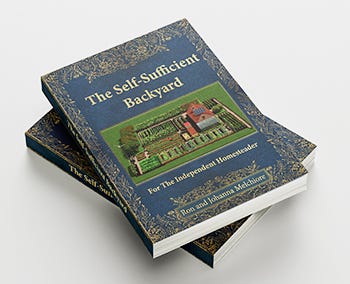
Marketing materials for guides like The Self Sufficient Backyard do acknowledge this—but many buyers skip the introductory chapters and jump straight to planting schedules, then wonder why they're overwhelmed. The smartest approach is to treat the first season as a learning season and celebrate small wins.
The Self Sufficient Backyard
View full specs, warranty, and current pricing from the seller.
Browse The Guide →Myth 3: "You Have to Raise Chickens, Goats, or Bees"
Scroll through any self sufficient backyard plans gallery and you'll see chickens, goats, and beehives in nearly every image. Many newcomers assume livestock is a prerequisite for self-sufficiency.
Reality: Rearing animals adds complexity, cost, and daily obligations that conflict with travel, work, or illness. A well-planned vegetable garden with legumes for protein (beans, lentils) and a small fruit orchard can meet most nutritional needs without any animals at all.
What most self sufficient backyard book review commenters actually report: they started with chickens, lost several to predators in the first year, and scaled back. The ones who succeeded long-term started with plants first, then added animals only when they had surplus kitchen scraps and a stable routine.
Myth 4: "You Need Expensive Raised Beds, Irrigation, and Tools"
Related Reading: IPTV Services Buyer's Guide: 10 Criteria You Must Check Before You Buy
It's easy to believe that a self sufficient backyard worth it experience requires investing hundreds of dollars in professional-grade equipment. This myth is common in reviews of high-ticket guide bundles that include tool recommendations and build plans for elaborate structures.
Reality: The most productive gardeners we've seen use $20 in hand tools—a sharp trowel, a weeding hoe, and a good pair of pruners—along with in-ground beds amended with homemade compost. Overwatering from expensive automated drip systems actually causes more problems than it solves for beginners.
If you're asking where to buy self sufficient backyard guides and expecting them to list costly gear, you'll be relieved to know that the best advice focuses on observation and timing, not shopping lists. The single most valuable purchase for most people is a soil test kit, which costs under $15.
Myth 5: "A Single 'Best' Guide Works for Every Backyard"
When beginners ask best self sufficient backyard guide, they often expect one definitive answer. This myth drives people to buy multiple competing programs, hoping the next one will finally "click."
Reality: The best guide is the one tailored to your climate zone, soil type, and available sunlight. A plan designed for Oregon's rainy growing season will fail in Arizona's arid climate. That's why we see such variation in self sufficient backyard book review ratings—the same product works for some regions and flops in others.
What separates effective guides from the rest is how much attention they give to regional variation. The best resources teach you principles you can adapt, not schedules you must follow rigidly.
What Actually Works: A Realistic System for Most Backyards
Related Reading: How Does IPTV Work? Cable vs. Streaming Compared
Based on user experiences and documented outcomes, here's what a solid self sufficient backyard for beginners approach looks like in practice:
- Start with a soil test. Before planting anything, know your pH, nitrogen, phosphorus, and potassium levels. This single step prevents 90% of beginner crop failures.
- Plant three high-yield crops. Tomatoes, beans, and leafy greens (kale or Swiss chard) produce the most food per square foot for beginners. Master these before expanding.
- Add one perennial food source. A dwarf fruit tree or berry patch requires less maintenance than annuals and provides food for years after establishment.
- Learn to preserve before you need to. Freezing and dehydrating are simpler and cheaper than canning. Test your preservation methods with store-bought produce before your first harvest.
- Expand by 30% per season. Each year, add one new crop group and double your previous bed space. This prevents burnout and gives you time to learn.
| Belief | Reality |
|---|---|
| You need lots of land to be self-sufficient | Intensive planting on a standard suburban lot produces thousands of pounds of food |
| Self-sufficiency happens in one growing season | Realistic timelines: 50% by year 3, 70-80% by year 5 |
| You must raise livestock | Legumes and fruit trees can meet protein and nutritional needs without animals |
| Expensive tools and raised beds are required | Basic hand tools and in-ground beds outperform complex systems for beginners |
| One universal guide works for everyone | The best guides teach adaptable principles for your specific climate zone |

If you're looking for a single resource that aligns with this reality-based approach, The Self Sufficient Backyard is one of the more comprehensive guides we've seen. It includes region-specific information that many competitors skip, and the author explicitly warns against the myths we've covered here. You can check the current offer and pricing here to see if it fits your goals.
The Verdict
If you're ready to start a self-sufficient backyard but feel paralyzed by conflicting advice, this guide cuts through the noise with actionable, region-specific steps that respect your actual timeline and space. It's best suited for beginners who want a single reliable reference rather than jumping between blogs and videos.
Get The Self Sufficient Backyard →This link goes to the seller's official page. If you buy through it we may earn a commission at no additional cost to you. Our assessment is written independently.
Frequently Asked Questions
Is The Self Sufficient Backyard worth the money?
Yes, for most beginners. It provides region-specific planting calendars, building plans, and troubleshooting guides that you'd otherwise have to piece together from multiple sources. The main downside is that experienced gardeners may already know much of the foundational content.
Can I get The Self Sufficient Backyard as a PDF?
Yes, the guide is available as a downloadable PDF that works on tablets, phones, and computers. Some buyers also receive a physical printed copy depending on the offer tier at the time of purchase.
How long does it take to become self-sufficient using this guide?
The guide's realistic timeline suggests you'll see meaningful harvests in your first season, but reaching 70-80% self-sufficiency typically takes three to five years. Soil improvement and learning your local microclimate are the main limiting factors.
Does the guide work for small city backyards?
Yes. A significant portion of the guide focuses on small-space strategies like vertical gardening, container growing, and intensive bed layouts. It covers backyards as small as 10x10 feet.
What crops does The Self Sufficient Backyard recommend for beginners?
The guide recommends starting with tomatoes, beans, leafy greens (kale, chard, lettuce), and one perennial like a dwarf fruit tree or berry bush. These provide the best calorie and nutrient return for the effort.
Where can I buy The Self Sufficient Backyard?
The official seller page is accessible through the links in this article. Buying directly from the publisher ensures you receive updates and any bonuses included in the current offer.
Does the guide include information on preserving food?
Yes, it covers dehydration, freezing, water bath canning, and pressure canning with step-by-step instructions for each method. It also includes a preservation schedule that aligns with harvest times for different crops.
Is there a money-back guarantee?
The publisher offers a 60-day money-back guarantee. You can request a full refund within 60 days of purchase, no questions asked, if the guide doesn't meet your expectations.
Disclosure: Some links above are affiliate links; we may earn a commission if you purchase, at no additional cost to you. This does not affect our editorial assessment, which is based on publicly available product information.